
 Image 1 of 3
 Image 2 of 3
 Image 3 of 3
Six-Lessons | October 2026 | In-Person or Zoom
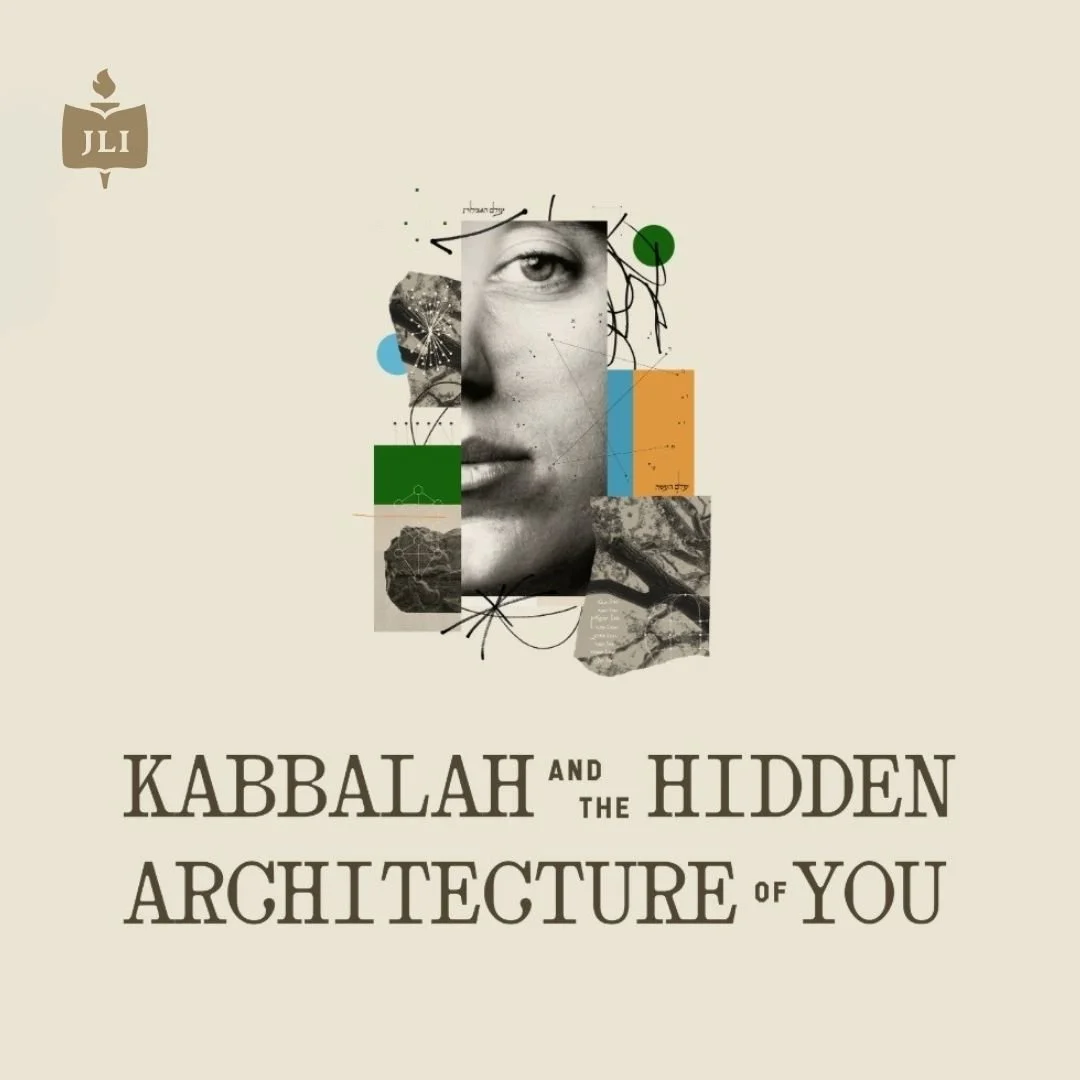
Discover how some of Kabbalah's most fascinating and enduring ideas offer insight into who we are and why we're here. Reincarnation, soulmates, dreams, and the deeper meaning of names - these are far from abstract concepts, they provide glimpses behind the veil of mystique that is our lives. Explore how these foundational ideas address some of life's biggest questions.
Whether you're new to Kabbalah or looking to deepen your understanding, this course offers a thoughtful and accessible portal to its timeless wisdom.
Begins Monday, October 26th 2027 and runs for 6 weeks
Lesson Details
Lesson 1: Echoes of Your Soul in Everyday Life
Why do you like that song? Why did you marry that one? Where does your soul go when you sleep? Why do you dream? Do animals have souls?
Lesson 2: Traces of the Sefirot in Your Body and Soul
What are the sefirot and how are they relevant to your life? Why do you have ten fingers? Is G-d’s name written on your body? What’s the mystical secret of marital intimacy?
Lesson 3: The Mystical Backstory of Your Soul
What’s the secret behind your preferences in food and music and your emotional disposition? What is reincarnation? Why do you keep facing the same struggle? What did your soul come here to do?
Lesson 4: Signals from Heaven in Your Daily Life
Can someone else’s soul join yours? Who really chose your name? Why do you sometimes wake up inspired? What do souls do in paradise each night? Why does that person’s flaw bother you?
Lesson 5: The Ripples of Your Thoughts and Words
Can your thoughts reach someone far away? Do words affect the people you talk about? What happens when you put yourself down? Can positive thinking change your reality? Can you impact heaven?
Lesson 6:How You Can Touch Infinity in a Finite World
What’s the secret behind G-d’s many names? Where in my life can I touch Divine infinity? How can we bring G-d’s boundless blessings into our lives? If G-d already decided, why pray? Can you love someone’s flaws away?
Six-Lessons | October 2026 | In-Person or Zoom
Discover how some of Kabbalah's most fascinating and enduring ideas offer insight into who we are and why we're here. Reincarnation, soulmates, dreams, and the deeper meaning of names - these are far from abstract concepts, they provide glimpses behind the veil of mystique that is our lives. Explore how these foundational ideas address some of life's biggest questions.
Whether you're new to Kabbalah or looking to deepen your understanding, this course offers a thoughtful and accessible portal to its timeless wisdom.
Begins Monday, October 26th 2027 and runs for 6 weeks
Lesson Details
Lesson 1: Echoes of Your Soul in Everyday Life
Why do you like that song? Why did you marry that one? Where does your soul go when you sleep? Why do you dream? Do animals have souls?
Lesson 2: Traces of the Sefirot in Your Body and Soul
What are the sefirot and how are they relevant to your life? Why do you have ten fingers? Is G-d’s name written on your body? What’s the mystical secret of marital intimacy?
Lesson 3: The Mystical Backstory of Your Soul
What’s the secret behind your preferences in food and music and your emotional disposition? What is reincarnation? Why do you keep facing the same struggle? What did your soul come here to do?
Lesson 4: Signals from Heaven in Your Daily Life
Can someone else’s soul join yours? Who really chose your name? Why do you sometimes wake up inspired? What do souls do in paradise each night? Why does that person’s flaw bother you?
Lesson 5: The Ripples of Your Thoughts and Words
Can your thoughts reach someone far away? Do words affect the people you talk about? What happens when you put yourself down? Can positive thinking change your reality? Can you impact heaven?
Lesson 6:How You Can Touch Infinity in a Finite World
What’s the secret behind G-d’s many names? Where in my life can I touch Divine infinity? How can we bring G-d’s boundless blessings into our lives? If G-d already decided, why pray? Can you love someone’s flaws away?